Dear cooperators and friends,

Cooperation isn’t just a nice word, it’s everything. It is both a business model for how we build and run businesses that meet our community’s needs, and it is a practice for creating a more just world.

We move deeper into cooperation, or away from it, every single day, with the choices we make as cooperators. It’s not always easy to move toward cooperation. It takes trusting that we, along with our communities, truly will make better decisions together – and then figuring out how to make those decisions together. We have to try things, own mistakes, get up again, get creative, have tough conversations at times, study the efforts of others, and we have to have faith that where our practice is leading us is worthwhile – even when we feel like we can’t see where we are going at times.

At FCI, we believe that the only way for the cooperative movement, including the startup food co-op movement, to thrive in this time of instability and unpredictability, is to lean more deeply into cooperation.

FCI has been building up its “leaning into cooperation” practice this year. Like all practices, we’re learning as we go! These are some of the ways we’ve leaned into cooperation this summer:
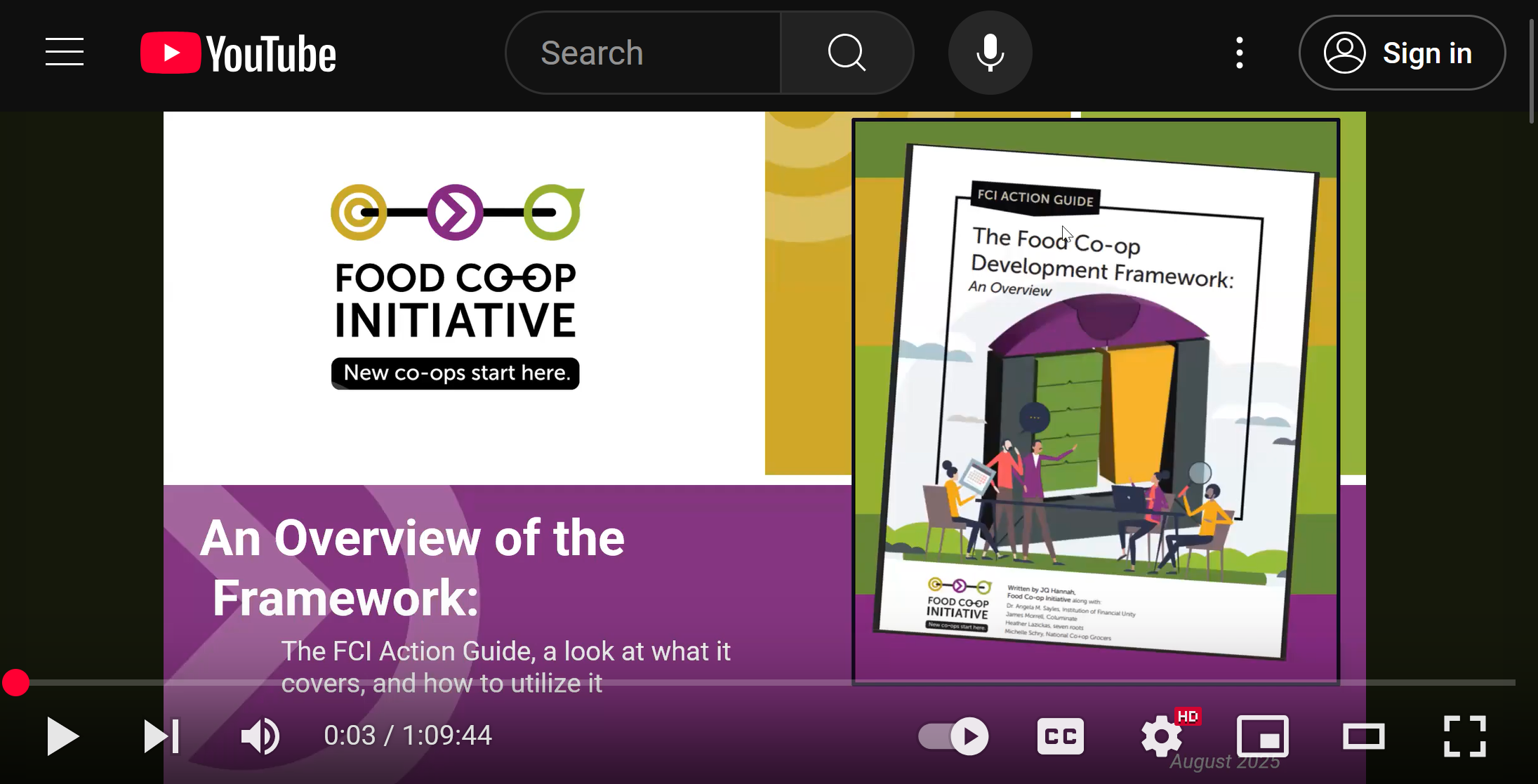
Screenshot of the Co-op Development Framework video on YouTube

  • Framework Action Guide – built through a cooperative, “open source” process involving almost 20 startup food cooperators directly in its design, writing, and review. FCI released the first written resource for utilizing the Food Co-op Development Framework in July. Watch the webinar on YouTube.
  • NCG/DC Collaboration – the Development Corp (DC) subsidiary of National Co+op Grocers (NCG) has returned supporting the opening of new startup food co-ops to the center of their mission in 2025. We kicked off an on-going collaboration to identify how FCI can work with the DC to best support startups that want to open as NCG members by meeting for a wide-ranging conversation about the needs of startup food co-ops in-person at the Detroit People’s Food Co-op.
  • Collaborative Connections – our team has been working to build up our cooperation through connecting more deeply with other cooperative development centers, and other organizations that center food access in their work. A partial list of those we’ve been meeting with to learn from and collaborate on how to move startup food co-ops forward: Cooperative Development Institute, Northwest CDC, Rocky Mountain Farmer Union, and Start.Coop. If you’re a center or other organization interested in collaborating to support startup food co-ops, please email Chris Dilley at chris@fci.coop.

Cooperation can be hard because it is a living system made up of humans with different perspectives, and cooperation is actively pushed against by systems that put profit above human flourishing in our society. But, if you are reading this, you are choosing it anyway because you know learning to cooperate, to interweave our economic power with one another, is a path to building the world we want and deserve.

How are you and your co-op leaning into cooperation as a practice?

In Cooperation,
The FCI Team
UPDATED TOOLS FOR YOUR CO-OP

Building off FCI’s original cash flow tool and user’s guide, FCI’s Chris Dilley and Columinate’s Don Moffitt significantly updated this tool to match the FCI Framework Stages, and included current leasehold and equipment cost estimates, as well as a toggle for modeling scenarios in which you plan to lease or own your building.Sources & Uses Guide cover

This tool provides you with critical early information about project costs that help you to right size your project to your community’s needs and resources.

Download the FREE Sources & Uses tool and User’s Guide

STARTUP ACCOMPLISHMENTS

Stage 1: Front Porch Grocery Co-op (Warrenton, NC) surpassed 200 members this past month! They’re building excitement and community through their Sunday Supper Club, in which people come together for locally catered food and good conversation.

Stage 2: The Farm to City Harvest Store (Farmer City, IL) received a donation from a community member allowing them to purchase their building, eliminating monthly rent costs.

Stage 3: Purple Carrot Market (Little Falls, MN) completed exterior demolition on their location, revealing historic brick. Wasatch Food Co-op gained 300 new owners this summer and has received an HFFI implementation grant.

Stage 4: Bethlehem Co-op Market (PA) closed a $600,000 owner investment gap! North Flint Food Market became a member of NCG!

Store Openings 

Congratulations to the communities that have worked so hard to bring their community-owned store to life:

  • Tom’s Natural Food Co-op (Clinton, NY) – Opened June 4, 2025. It’s a conversion of a 40 year old natural foods store.
  • TipTip Co-op Community Market (Brookfield, MA) – On July 1, 2025, after two years of organizing, a newly organized cooperative took over operations of Tip Top Natural Foods.
  • Prairie Food Co-op (Lombard, IL) – after 12 years of community building, fundraising and careful planning, the co-op opened their 5000 square foot retail (7700 total) store on July 9, 2025 with 2535 owners.

Coopiversaries 

These co-ops are celebrating 1 or more years of being open this month:

Is your food co-op a “3rd wave” food co-op that opened between 2005 and 2024? Did we forget to mention its Coopiversary? Email us at info@fci.coop so we can add your co-op to our Coopiversary calendar!

SUPPORT THE NEXT GENERATION OF CO-OPS

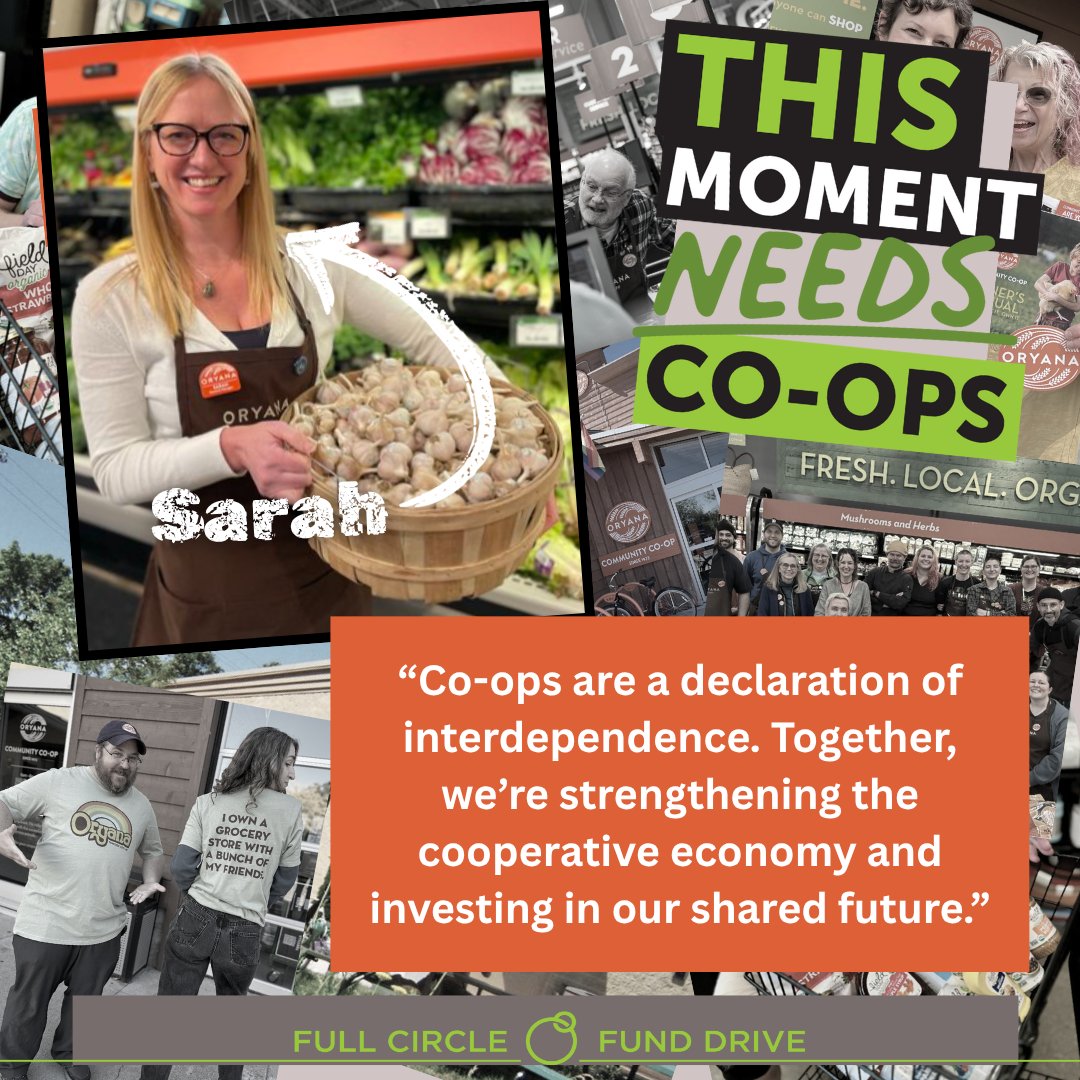
We just surpassed 50% of our critical goal of $100,000 raised by the end of 2025 from 60+ established food co-ops across the US!

This year’s Full Circle Campaign is more critical than ever for FCI’s work as federal funding for cooperative development centers was not awarded this year, and may be disappearing entirely. Food co-ops are more needed than ever, and communities are contacting FCI to learn about how to organize their own food co-op more than they have in years. FCI was founded by established food co-ops and they have always provided 15%+ of our total annual funding through direct donations, serving as the unshakable foundation of our work.

We’re at $53,081 raised in Full Circle donations from 34 established co-ops.

Can your food co-op join our 2025 Full Circle supporter list and keep FCI’s vital work accessible to startup food co-ops across the US?

You can:

  • Donate directly via credit card on the Donate page
  • Pledge and be invoiced by filling out this pledge form
  • Make FCI a beneficiary of your co-op’s “round up” program! Just let us know you’d like to do this by emailing our Interim Executive Director, JQ Hannah, at jq@fci.coop and ze will share with you our round up program packet with sample graphics and text already created for your use!

We’ll celebrate every 2025 Full Circle donor co-op on our social media in September – all 34 and growing! – and we’d love to celebrate your co-op’s support as part of the series, please join our 2025 Full Circle supporters list today!

DONATE TO FCI

ONLY 2 WEEKS UNTIL UP & COMING 2025

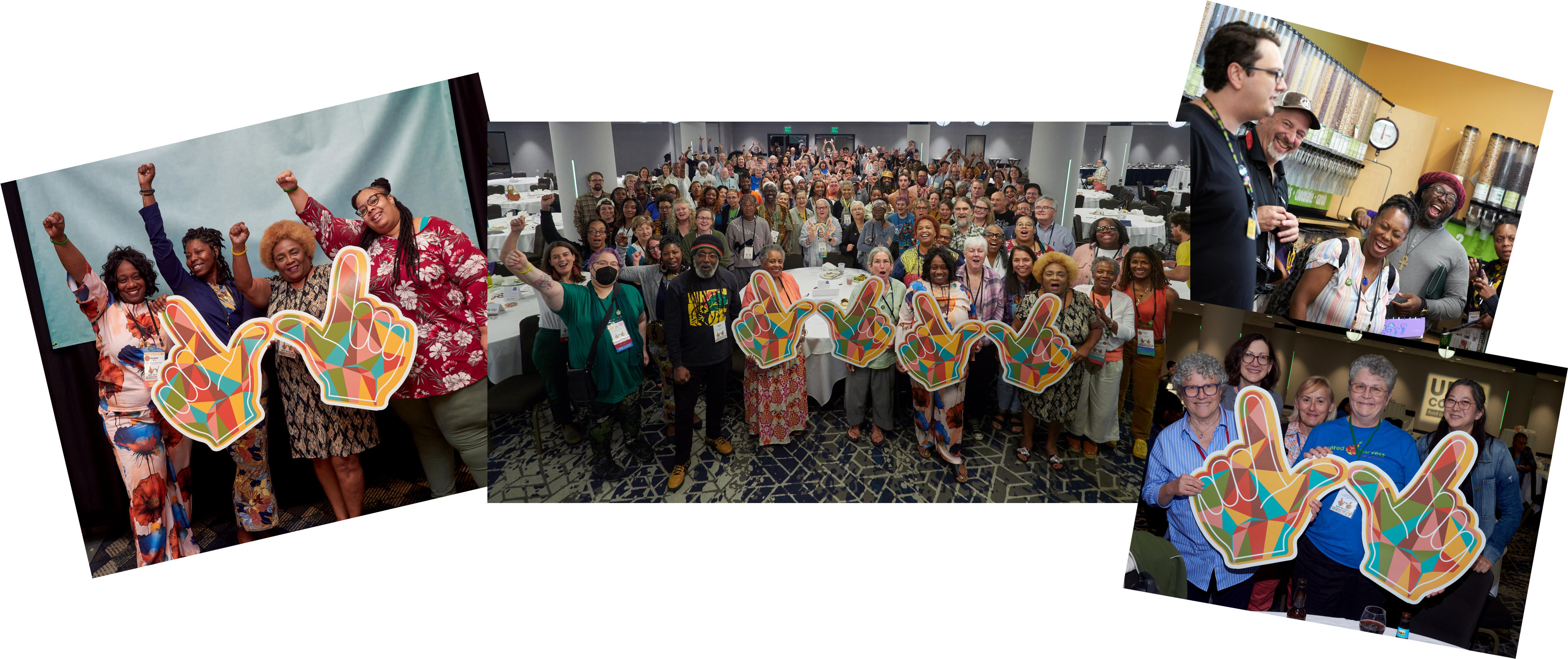
In just 2 weeks, 200+ attendees from 80+ co-ops will gather in Kalamazoo to share expert knowledge and build a movement together!

What you’ll experience at Up & Coming 2025:

  • two full days of expert-led workshops and peer case studies
  • opportunities to build community and connect with 80+ startups from across the U.S.
  • Black-Led Day for Black-identifying cooperators, created and hosted by National Black Food & Justice Alliance
  • an in-person tour of our host co-op, People’s Food Co-op, which is similar in size to many startups
  • immersive training on dismantling racism within food co-ops and the broader food system hosted by ERACCE. Cost: $100, which is not included in the conference registration price. Learn more

See the agenda & speakers

It’s not too late to register and join us Thursday, September 11 through Saturday, September 13.

Register for Up & Coming 2025

Questions? Email Hugh Farrell at hfarrell@icdc.coop

Get early and fast updates by following Up & Coming on Instagram and Facebook

UPCOMING EVENTS

Startup Impacts Series: We’ll be announcing dates soon for this brand new December series. The series will have three free webinars. Each session will feature a different successful food co-op that was a “third wave” startup, and their stories about the direct impacts their co-op has had on their community. We’ll have more details on our lineup soon, but we can tell you that the River Valley Co-op has agreed to be a part of our 2025 series already! Be prepared to be inspired! 

THE P5 CORNER

What’s P5 Corner? Cooperative Principle 5 emphasizes the importance of education, training, and information sharing. We want to hear from you! If you want to submit your P5, use this form for consideration. 

Columinate Co-op Cafe: Saturday, September 27, 2025. The International Civil Rights Center & Museum is hosting the Stronger Together: Balancing Autonomy and Collective Power event in Greensboro, NC. Allanah Hines and Jade Barker will facilitate this in-person experience where attendees will explore the ways they can strengthen their ability to cooperate without compromising their unique identities. A guided tour of the museum is included. Learn more about registration and costs.

NEWS STARTUPS NEED TO KNOW

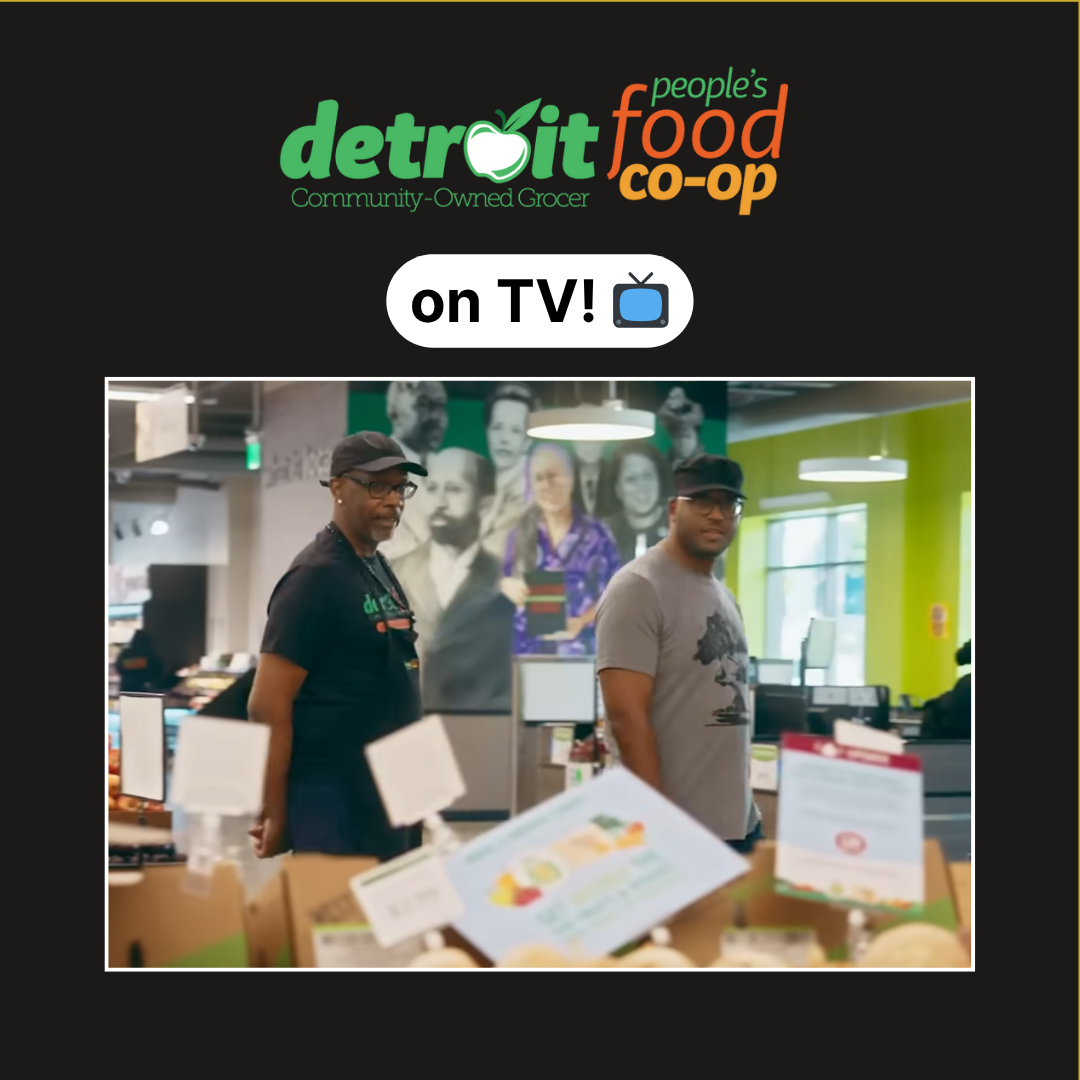
Detroit People’s Food Co-op was featured on the Emmy-nominated show on PBS called Human Footprint.

This episode is about the history of supermarkets and how we need to reimagine our food systems.

General Manager Akil Talley talks to the show’s host, Shane Campbell-Staton, about:

  • Sourcing food and products locally, from Detroit and greater Michigan
  • Circulating money in the Detroit community
  • His favorite veggies from D-Town Farm (their 19th Annual Harvest Festival is happening Saturday, Sept 20 – Sunday, Sept 21)

Watch DPFC’s segment on YouTube